Birth traditions ·
Welcoming a Baby Boy: Birth Traditions, Family Celebrations & Son Preference
“It’s a boy!” can be the beginning of a family’s newest story: choosing a name, introducing a little brother, and welcoming a son home. Across communities, birth celebrations connect a baby with relatives, faith and family history. But celebrating a boy is not the same as believing boys matter more than girls.
By The Stork Market
How do families celebrate the birth of a baby boy?
There is no single baby-boy birth tradition. Some families gather for a religious welcome, others hold a naming celebration, and others keep the first days quiet before sharing the news. A family may combine inherited customs with a meal, photographs or a personalized birth announcement. Many ways of welcoming a newborn apply equally to daughters.
A boy-specific gathering in Ashkenazic Jewish tradition
One documented example is the Shalom Zachar. Aish’s explanation of this custom describes a gathering on the first Friday night after a baby boy’s birth, traditionally held at the newborn’s home with light refreshments. This is a particular Ashkenazic custom, not a description of how every Jewish family celebrates.
A boy-specific ceremony does not, by itself, show that a family values daughters less. Religious customs, cultural identity and unequal treatment are different questions; they should not be treated as interchangeable.
A personal welcome in Toronto and the GTA
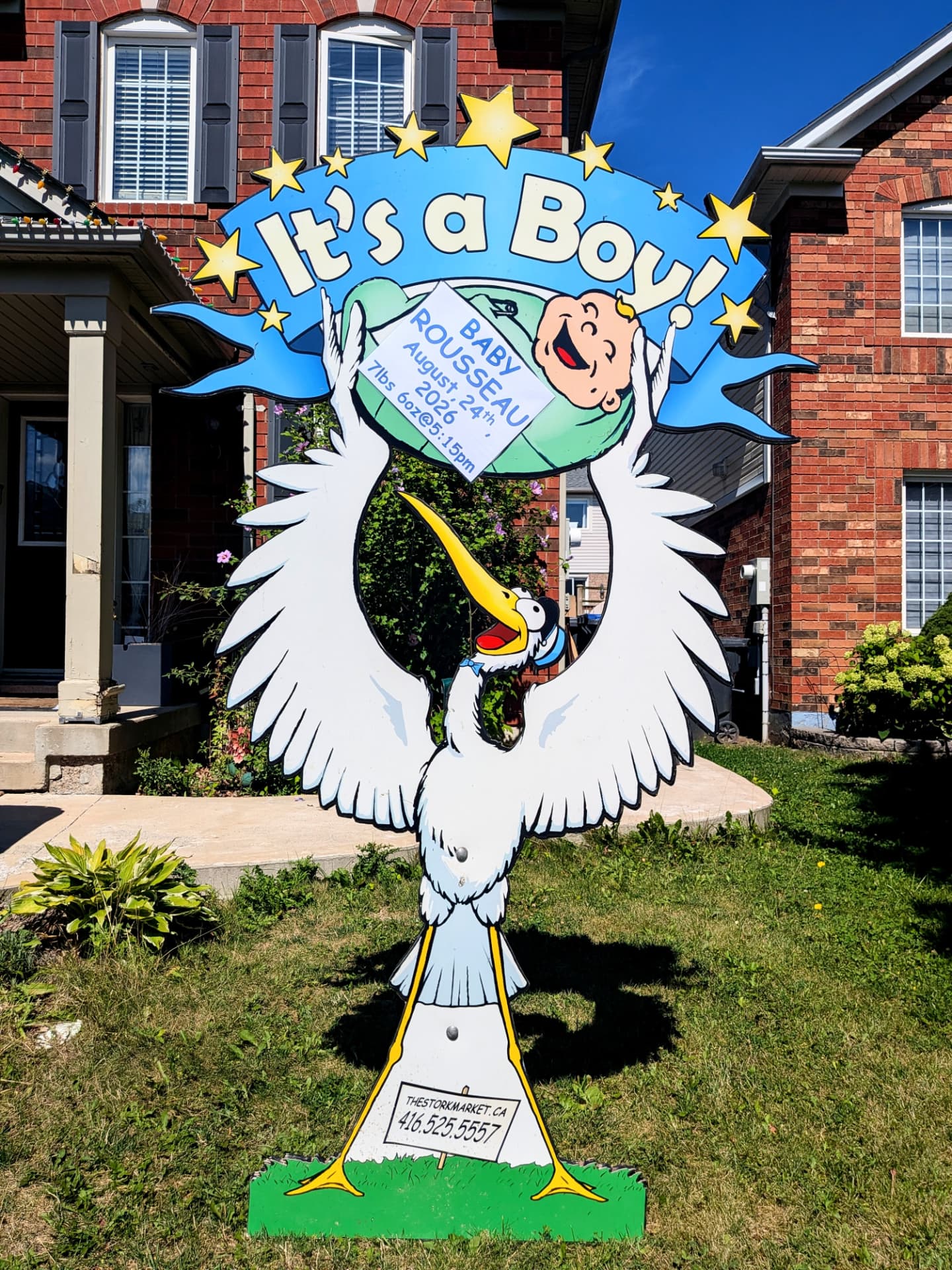
For your own celebration, you might invite grandparents for a short visit, share a name announcement, or take a welcome-home photograph. A blue It’s a Boy! lawn stork sign offers another way to tell neighbours a new family member has arrived, without needing to host a large gathering.
Why have some societies preferred male babies?
Son preference means wanting sons more than daughters. It is a social attitude, not a measure of a child’s worth. The United Nations Population Fund (UNFPA) connects it with gender inequality, including restrictions on women’s inheritance, employment and participation in certain religious practices.
Inheritance and family continuity
In patrilineal systems, family descent and property pass through the male line. Where sons have been expected to inherit property and continue the family line, parents may feel pressure to have a boy. Those expectations reflect a social arrangement; they do not make a son inherently more valuable.
Support in old age and unequal opportunities
Where married daughters are expected to join another household, parents may see a son as their future source of support. Barriers to women’s paid work and property ownership can reinforce that belief. Pew Research Center’s analysis of India describes how inheritance, marriage and expectations of care differ by region, including communities where both daughters and sons are expected to help parents in old age.
Marriage costs and religious expectations
UNFPA also identifies dowry-related pressures in some contexts, along with religious practices limited to men, as factors that can contribute to son preference or daughter aversion. These are explanations of inequality, not reasons to endorse it. No country, religion or community can be reduced to one attitude toward children.
Traditions change—and families are not all alike
Culture is not a fixed rulebook. Pew emphasizes that gender norms vary within regions and even within families, and that cultures keep changing. A family’s views cannot be assumed from its surname, religion or place of origin.
Understanding the history of son preference can help us recognize unfair pressures rather than repeat them. UNFPA warns that discrimination against girls can contribute to harmful outcomes, including gender-biased sex selection. A joyful welcome for your son can be grounded in something much simpler: this particular child is loved, and every child deserves equal care and opportunity.
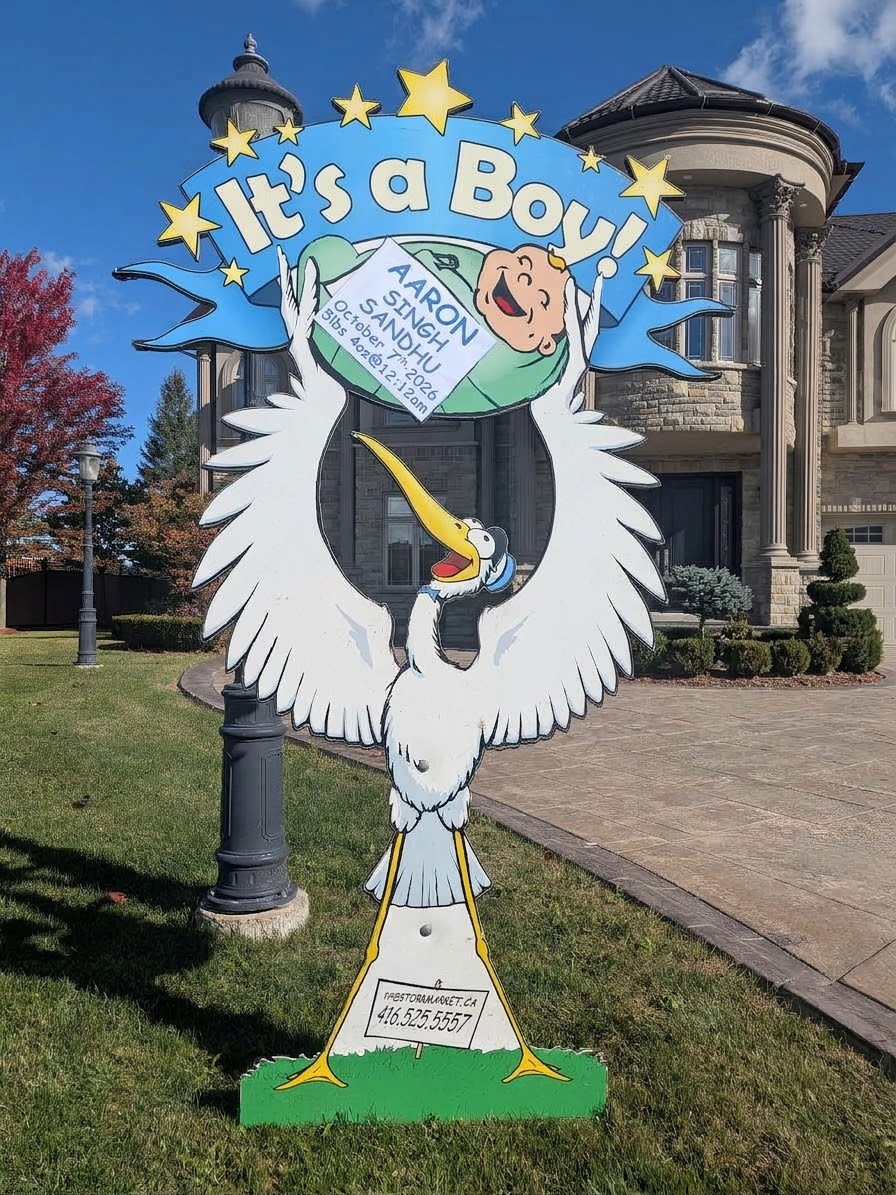
Welcome your baby boy with a personalized lawn stork sign
At The Stork Market, our family has helped GTA families announce new arrivals since 2009. Our It’s a Boy! stork sign rental pairs a blue announcement with a personalized keepsake bundle featuring your baby’s name, birth date, weight and time.
The standard rental is $125 for one week, plus HST. You can add a second week for $40; delivery-area charges may apply. We serve Brampton, Mississauga, Toronto and surrounding GTA communities. Check delivery and rental FAQs, or call to confirm your location and availability.
Whether your welcome includes a traditional gathering or a quiet homecoming, the sign celebrates your son’s own story. If you are curious about the bird behind the announcement, read why storks became associated with bringing babies.
Simple ideas for an inclusive baby-boy celebration
- Ask the parents which traditions they want to keep, adapt or skip.
- Include siblings in a welcome-home photo or let them help choose a card.
- Celebrate the baby’s name and arrival without comparing boys and girls.
- Offer practical support—a meal or an errand—alongside congratulations.
- Check with the parents before sharing photographs or birth details publicly.
The most meaningful tradition is one that makes the baby and family feel welcomed. You can celebrate having a boy wholeheartedly while affirming that daughters deserve the same joy.
Ready to announce “It’s a Boy!”?
See our blue stork signs and request a rental for your baby’s welcome home. Call or text for the fastest service; timing depends on availability and location.